Why Your Injury Isn’t Healing: 3 Common Recovery Mistakes
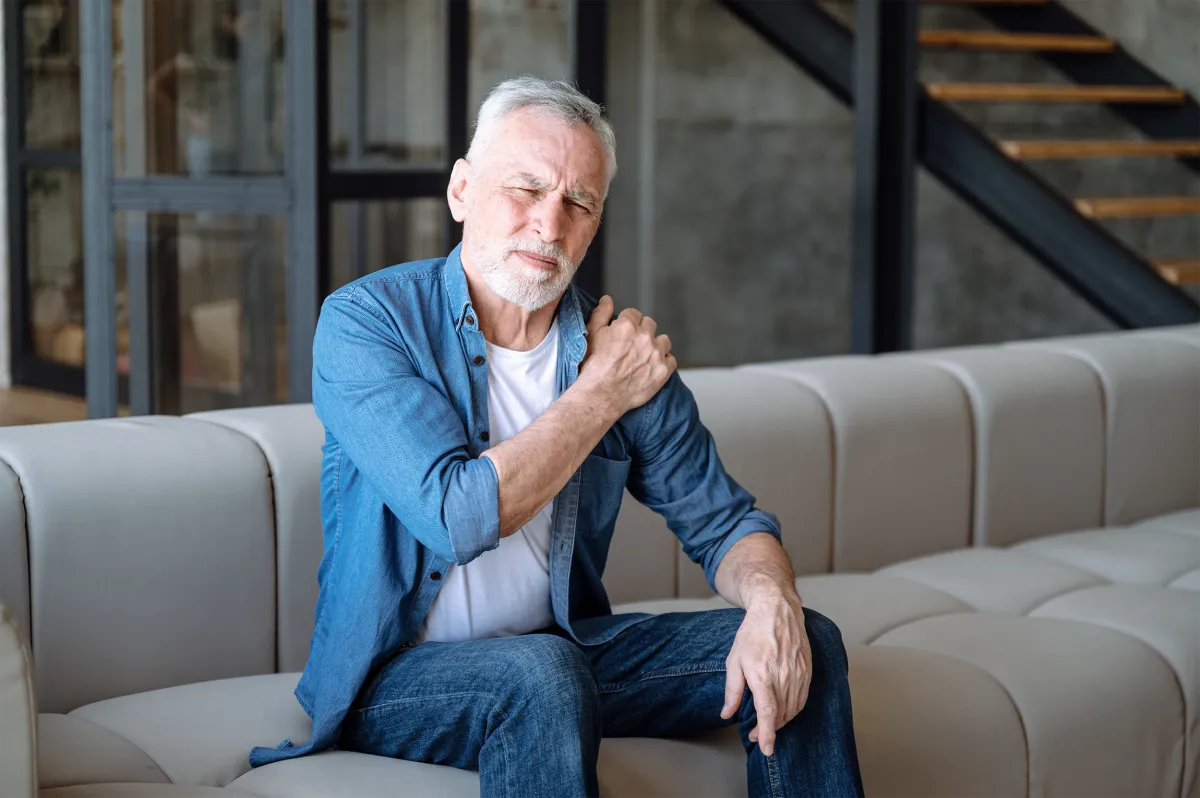
If you have been dealing with the same nagging issue for months or even years, you are not alone.
It can be frustrating to feel like you are doing everything right, yet progress seems slow or nonexistent. The truth is, most injuries do not stall because something is permanently wrong. They stall because an important part of the recovery process is missing.
Before we get into the common mistakes, here are two quick principles we often share with patients:
1. Healing Takes Longer Than You Think
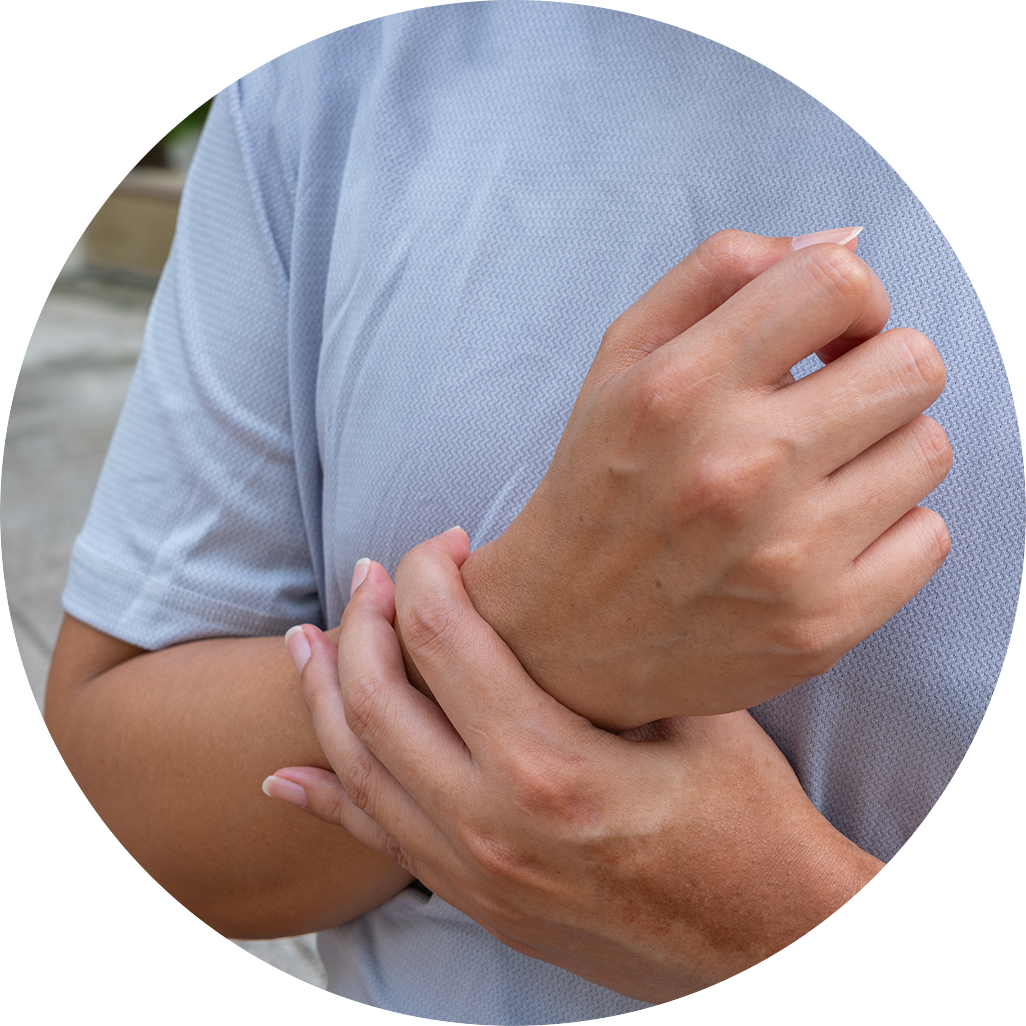
Most people underestimate how long tissue repair actually takes. Even when pain improves, the underlying structures may still be remodeling and regaining strength.
Progress is not always linear. There may be good weeks and frustrating setbacks. That does not automatically mean something is wrong. It often means the body is still adapting.
Patience, paired with the right progression, is part of the process.
2. Pain Is Information, Not Always Damage

Pain does not always mean you are causing harm. Especially with long-standing issues, the nervous system can become more sensitive over time.
That sensitivity can make normal movement feel threatening, even when the tissue is capable of more.
Learning the difference between productive discomfort and true overload is a key part of long-term recovery.
With those principles in mind, let’s look at the three most common ways recovery gets off track.
Doing Too Much, Too Soon

Pain often decreases before tissue fully repairs. That is where people get into trouble.
Returning to full workouts, long walks, or heavy lifting too quickly can overload healing tissue and restart inflammation. Just because something feels better does not mean it is structurally ready.
Muscle strains may improve in a few weeks. Tendons and ligaments can take much longer. Healing follows a biological timeline whether we respect it or not.
Recovery should follow a structured progression, not guesswork.
Doing Too Little for Too Long

On the other end of the spectrum, some people rest indefinitely.
While short-term rest can reduce irritation, prolonged inactivity weakens muscles, reduces joint stability, and slows circulation. Over time, this creates stiffness and compensation patterns that lead to new pain.
Movement is one of the most powerful drivers of healing. The key is controlled, intentional progression that restores mobility, strength, and coordination without overwhelming the tissue.
Rest alone rarely solves chronic issues.
Not Rebuilding Strength After Injury
This is the piece many people underestimate.
After an injury, your brain can partially shut down certain muscles around the affected joint. Even if you try to contract the muscle, it may not fully activate. This contributes to weakness, instability, and repeated flare-ups.
Pain may improve while strength deficits remain.
If those deficits are not addressed, the cycle continues.
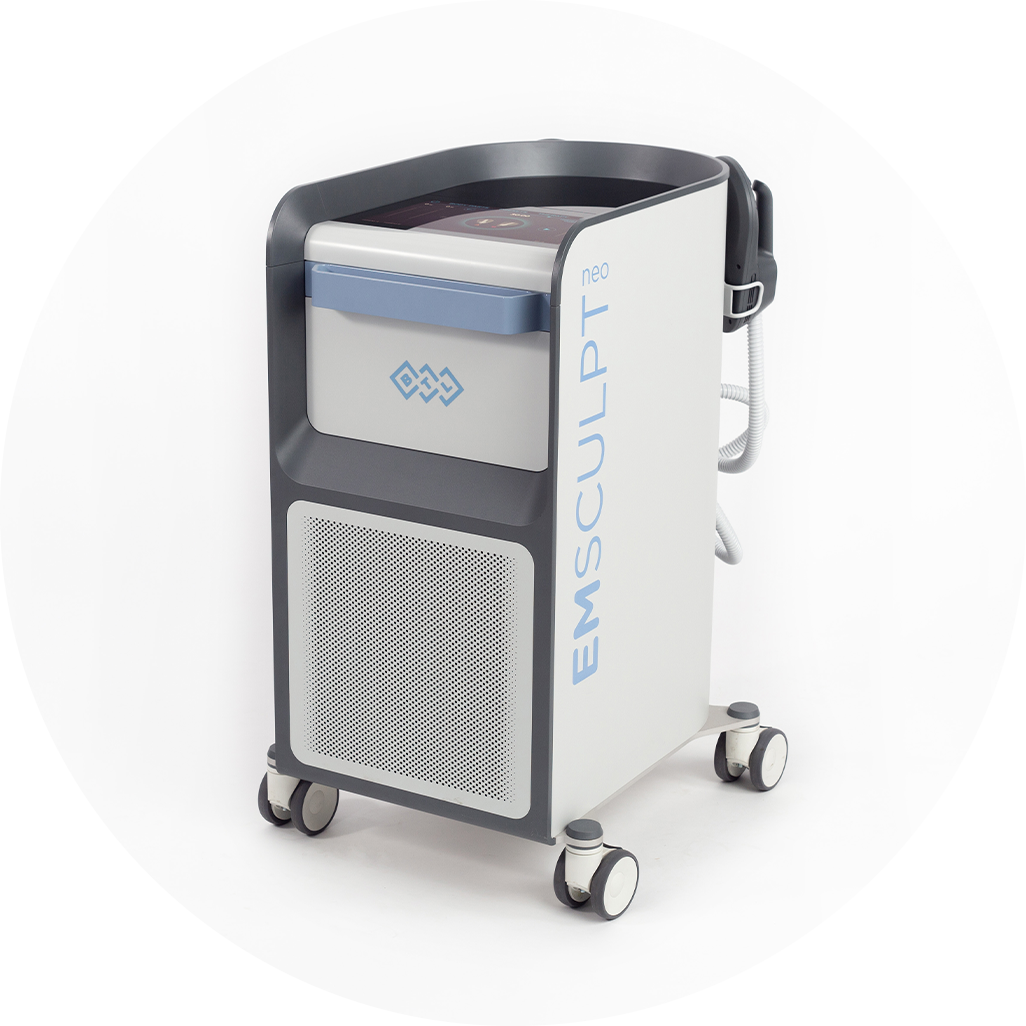
Supporting Muscle Recovery With Emsculpt NEO
When a muscle is not firing properly, traditional exercise can sometimes feel frustrating. You try to engage the area, but it does not respond the way it used to.
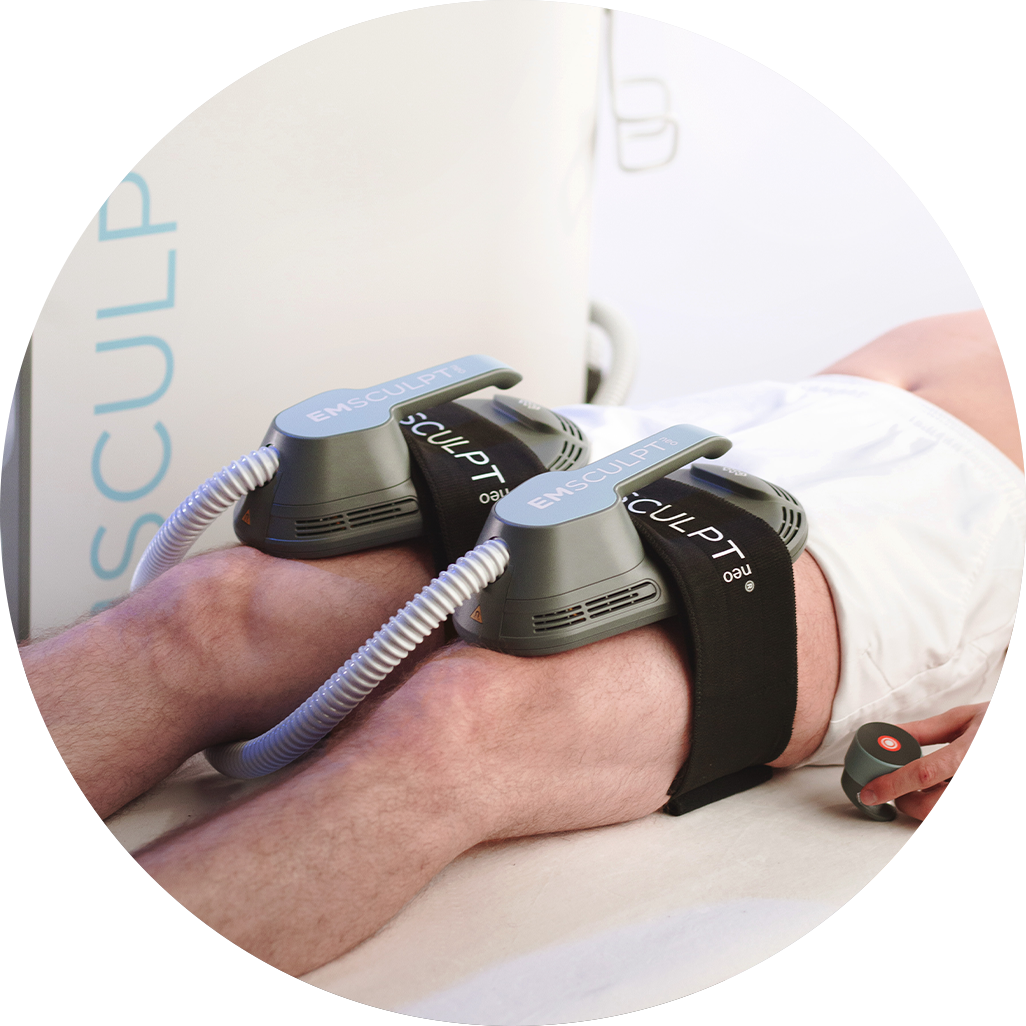
Emsculpt NEO uses high-intensity electromagnetic energy to stimulate deep muscle contractions that are difficult to achieve voluntarily, especially after injury. In a recovery setting, this can help re-engage inhibited muscle fibers and support strength rebuilding.
It is not a replacement for physical therapy or progressive rehab. It is a tool that can complement a structured plan by improving activation and circulation while reducing the lag between injury and functional strength.
When paired with guided movement and strengthening, it can help break the cycle of weakness that keeps injuries lingering.
The Bottom Line
If your injury is not healing, the problem is usually not mysterious.
You may be pushing too hard too soon. You may be avoiding movement entirely.
Or you may not have rebuilt the strength needed to truly stabilize the joint.
Pain relief is not the same as recovery. True healing restores strength, stability, and confidence in movement.
Ready to see real results in your recovery? Schedule an appointment now for Emsculpt NEO at Valor Wellness.